

Build the Practical Skills Needed for a Career in Welding and Fabrication
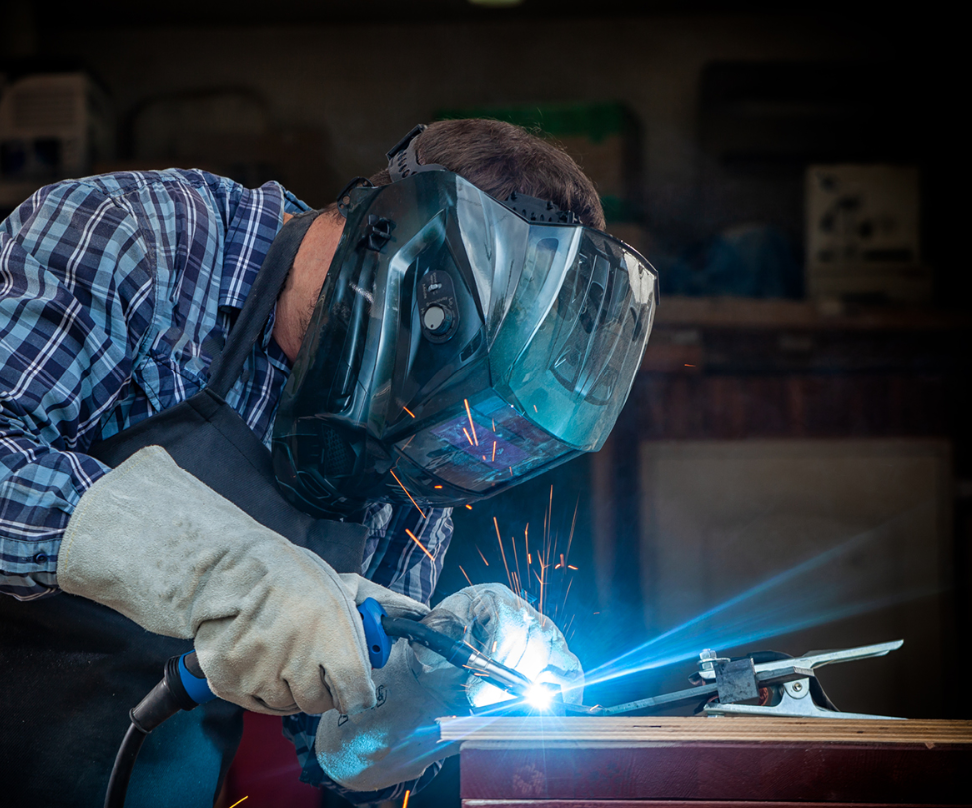
The Welder Apprenticeship is designed for individuals who want to develop the knowledge, skills and behaviours required to produce high-quality welded components and structures across a wide range of engineering and manufacturing industries.
As a welder, you will learn how to join materials safely and accurately using industry-recognised welding techniques. Working to engineering drawings and specifications, you will develop the practical skills needed to manufacture, repair and maintain products used throughout sectors such as construction, manufacturing, aerospace, automotive, marine and energy.
This apprenticeship provides an excellent opportunity to earn while you learn, gaining valuable workplace experience whilst working towards a recognised engineering occupation.
Who Is This Apprenticeship For?
This apprenticeship is suitable for:
- Individuals looking to start a career in welding
- School leavers interested in engineering and manufacturing
- Existing employees developing their welding skills
- Employers seeking to train skilled weldersIndividuals who enjoy practical, hands-on work
- Those seeking long-term opportunities within engineering and construction
Typical Job Roles
Learners completing this apprenticeship may work as:
- Welder
- Fabricator Welder
- Production Welder
- Pipe Welder
- Structural Steel Welder
- Manufacturing Welder
- Maintenance Welder
- Engineering Fabricator
Apprenticeship Benefits
✅ Earn while you learn
✅ Gain valuable workplace experience
✅ Develop practical welding and fabrication skills
✅ Learn from experienced engineering professionals
✅ Build a recognised route into the engineering sector
✅ Create opportunities for career progression and specialisation
What You’ll Learn
Welding Processes and Techniques
You will develop the skills required to produce welded joints and assemblies that meet industry expectations for quality, strength and reliability. This includes learning how to weld a range of materials and thicknesses, selecting suitable welding techniques for different applications, and understanding how to consistently achieve high-quality weld standards.
Engineering Drawings and Specifications
A key part of the role involves working from technical information and engineering documentation. You will learn how to read and interpret engineering drawings, understand welding symbols, follow detailed engineering instructions and work accurately to customer specifications and quality requirements.
Fabrication and Assembly
You will gain an understanding of how materials and components are prepared before welding takes place. This includes measuring and marking out materials, positioning and assembling workpieces correctly, and producing fabricated structures that meet required tolerances and specifications.
Inspection and Quality Assurance
Producing quality work is essential within the welding industry. You will learn how to inspect completed welds, identify common welding defects, apply quality control procedures and ensure that all work meets recognised industry standards and customer expectations.
Equipment and Materials
You will develop knowledge of the equipment, tools and materials used within welding and fabrication environments. This includes the safe use of welding equipment, selecting appropriate consumables for different applications, maintaining tools and equipment, and understanding the properties and behaviour of various materials.
Professional Practice and Safe Working
Safe working practices are fundamental to every welding role. You will learn about safe welding procedures, risk assessment and hazard awareness, environmental responsibilities, and the importance of effective communication and teamwork within an engineering workplace.
Learning Outcomes
By completing this apprenticeship, you will be able to:
- Produce high-quality welded joints and assemblies
- Work safely within engineering and manufacturing environments
- Interpret engineering drawings and welding specifications
- Use welding equipment and materials effectively
- Identify and rectify quality issues where appropriate
- Contribute to production, maintenance and fabrication activities
- Apply industry standards and best practice in the workplace
Assessment
Assessment includes a combination of workplace evidence, practical competence activities, knowledge development and end-point assessment. Apprentices will demonstrate their ability to perform consistently and safely within a real working environment.

Progression Opportunities
Successful apprentices may progress to:
- Welder roles within manufacturing and engineering
- Fabricator Welder positions
- Pipe Welding careers
- Structural Steel Fabrication roles
- Specialist coded welding opportunities
- Advanced engineering apprenticeships
- Supervisory and team leader positions
Entry Requirements
Entry requirements may vary depending on the employer and role. A positive attitude, strong attention to detail and an interest in practical engineering work are typically expected.

Course Details
| Apprenticeship Standard | Welder |
|---|---|
| Sector | Engineering & Manufacturing |
| Delivery | Workplace, Online and Blended Learning |
| Assessment | Workplace Evidence and End-Point Assessment |
| Suitable For | New and Existing Employees |
| Progression | Welding, Fabrication and Engineering Roles |
Typical Duration
Programme Length: Approximately 42 months
Delivery Model: Work-based learning supported by structured training and regular tutor guidance.
Why Choose This Apprenticeship?
If you enjoy practical work, creating high-quality products and developing specialist engineering skills, the Welder Apprenticeship offers a rewarding route into a highly valued profession. You’ll develop the confidence and competence to work on a wide variety of engineering projects while gaining experience that employers value across multiple industries.



Reviews
There are no reviews yet.